
Apple gift cards are one of the most traded gift cards in Nigeria. But that popularity comes with a downside also. Scammers know exactly how valuable these cards are, and they've built entire schemes around exploiting buyers, sellers, and traders who aren't paying attention. Apple gift card scams in Nigeria are more common than most people think, and they're getting harder to spot. This blog breaks down everything you need to know about this matter. We will cover the types, the warning signs, and how to protect ourselves from Apple gift card scams.
What Are Apple Gift Card Scams?
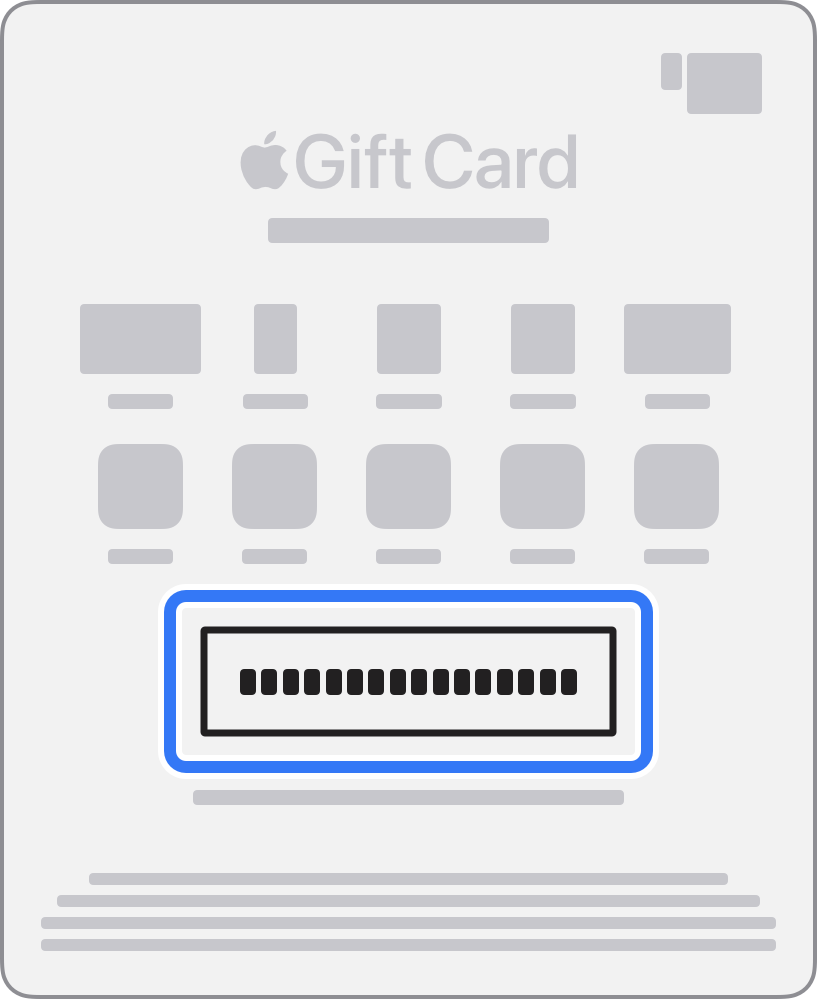
An Apple gift card scam is any situation where someone tricks you into handing over your apple gift card details, like the PIN, the redemption code, or the card itself, under false pretenses. The scammer walks away with the card's value, and you're left with nothing.
These scams don't just target random people. They're designed to look legitimate. The scammer might pose as a buyer, a government official, a tech support agent, or even a trusted platform. The goal is always the same, which is to get your card details before you realize what's happening.
What makes Apple gift cards particularly attractive to scammers is that once the code is redeemed, the transaction is irreversible. There's no chargeback, no refund, and no way to trace where the funds went. That's exactly why scammers prefer them over other payment methods.
Common Apple Gift Card Scams in Nigeria to Watch Out For in 2026
Nigeria has a high volume of gift card trading activity, which means Apple gift card scams in Nigeria come in several forms. Here are the most common ones currently active:
1. Fake Buyer Scams
Someone contacts you claiming they want to buy your Apple gift card at a high rate. They ask you to share the card details first, promising to send payment immediately after. Once you share the code, they disappear.
2. Overpayment Scams
A "buyer" sends you more money than the card's value and asks you to refund the difference. The original payment is either fake or later reversed, and you end up losing both the card and the refunded amount.
3. Phishing Links
You receive a message via WhatsApp, SMS, or email, with a link that looks like a legitimate gift card trading platform. You log in, enter your card details, and the site harvests everything. These sites are built to mimic real platforms.
4. Government or Tax Impersonation Scams
This one is surprisingly common. Someone calls or messages you claiming to be from a government agency like FIRS, EFCC, or even a court, and demands you pay a fine or fee using Apple gift cards. No legitimate government body will ever ask for payment in gift cards.
5. Fake Trading Platforms
Scammers create WhatsApp groups, Telegram channels, or fake websites that look like professional gift card trading platforms. They collect cards from multiple users, post fake testimonials, and vanish once they've gathered enough.
6. Romance and Trust Scams
Someone builds a relationship with you online over weeks or months, gains your trust, and then asks for help using gift cards, framed as an emergency or a favour. By the time you realise it's a scam, significant losses have already occurred.
Each of these scams works because they exploit a moment of trust or urgency. Knowing they exist is your first layer of defence.
How Apple iTunes Gift Card Scams Actually Work?
Understanding the pattern behind Apple iTunes gift card scams helps you catch them before it's too late. The process usually follows a predictable sequence:
1. The approach — The scammer makes first contact through social media, a messaging app, phone call, or email. They present themselves as someone with a legitimate reason to involve gift cards in a transaction.
2. Building trust or urgency — They either take time to build rapport or create a sense of urgency that pressures you to act quickly. Urgency is a key tool — it stops you from thinking clearly.
3. The request — They ask for the gift card code, the PIN, or a photo of the back of the card. Sometimes they ask you to redeem it and send them the balance through another method.
4. The disappearing act — Once they have what they need, contact stops. Calls go unanswered, accounts get deleted, and the money is gone.
Apple iTunes gift card scams in particular often come disguised as App Store payment issues, Apple ID verification requests, or fake iTunes customer support. If anyone contacts you claiming to be Apple Support and asking for gift card details, that is a scam, every single time. Apple does not use gift cards to resolve account issues.
Knowing this sequence means you can identify the scam at Step 1 or Step 2, before any damage is done.
Warning Signs of Common Apple Gift Card Scams in Nigeria
Most Apple gift card scams share a set of red flags. If any of the following are present in a transaction or conversation, stop your transaction or trading immediately:
• They ask for the card code before sending payment — Legitimate buyers on trusted platforms don't operate this way.
• The offer sounds too good — Rates far above market value are almost always bait.
• There's pressure to act fast — Urgency is manufactured to prevent you from thinking it through.
• They contact you out of nowhere — Unsolicited messages about gift cards should always raise suspicion.
• The payment method is unusual — They want to pay via methods that are hard to trace or reverse.
• The platform has no verifiable track record — No reviews, no social proof, no clear ownership.
• They claim to represent Apple, a government body, or a court — None of these entities will ever request gift cards as payment.
• They ask you to keep the transaction private — A genuine buyer has no reason to ask for secrecy.
One red flag on its own might seem minor. But two or more together should be enough for you to walk away entirely.
What to Do If You Fall Victim to Apple Gift Card Scams?
If you've already been caught in one of these Apple gift card scams, here's what you should do right away:
1. Stop all communication with the scammer — Don't try to negotiate or recover the card by engaging further. It won't work and may expose you to more harm.
2. Report to Apple — Visit Apple's official site and file a report with the details of the scam. While Apple typically cannot reverse a redeemed card, reporting helps flag the activity.
3. Report to your local authorities — In Nigeria, you can report to the EFCC or the Nigeria Police Force Cybercrime Unit. Keep records of all messages, transaction details, and any contact information the scammer uses.
4. Warn your network — If the scam happens through a group, channel, or platform, alert others who might be targeted next.
5. Review your accounts — If you shared any login details or clicked a suspicious link, change your passwords immediately and enable two-factor authentication.
Acting quickly won't always recover the loss, but it limits further damage and contributes to a wider effort to shut these operations down.
Taking these steps after a scam is important. But the better approach is making sure you never end up in that position in the first place. That starts with knowing where to sell your Apple gift cards safely, and which platforms you can actually trust.
How to Sell Your Apple Gift Card Safely in Nigeria?
If you are looking to sell your card, the safest way to avoid Apple gift card scams in Nigeria is to only trade through platforms that are verified, transparent, and have a clear process. That means no peer-to-peer deals with strangers, no Telegram groups with anonymous admins, and no platforms that ask for your card details before confirming a rate.
Cardgoal is a trusted platform where you can sell apple gift cards in Nigeria without worrying about getting scammed. The process is straightforward:
• Rates are displayed clearly before you trade
• Transactions are processed within a short window
• Payment is made directly to your Nigerian bank account
• There's no third party handling your card details
If you're looking for the best app to sell gift cards in Nigeria, that also covers other gift card types beyond Apple, Cardgoal is another verified option worth knowing about.
Always make sure to trade only on platforms you can verify. A slightly lower rate on a trusted platform is always better than a higher rate on one that disappears with your card.
Conclusion
Apple gift card scams are real, active, and designed to catch people off guard. Whether it's a fake buyer, an impersonation scheme, or a phishing site, the pattern is always the same. They will rush you, gain your trust, and take your card details. Now that you know how these scams work and what to look for, you're in a much better position to protect yourself.
When you're ready to trade gift cards, do it on a platform that's built for safety and transparency. Cardgoal makes it easy to sell your Apple gift cards in Nigeria without the risk. It's the best app to sell gift cards in Nigeria for a reason.
FAQs
1. Why do scammers prefer Apple gift cards over cash?
Apple gift cards are easy to redeem instantly, and the transaction cannot be reversed or traced. Unlike bank transfers, there's no way to recover the funds once the code is used. That anonymity is exactly what scammers are looking for.
2. How to report an Apple gift card scam in Nigeria?
You can report to the EFCC through their official website or cybercrime channels. You should also report directly to Apple through their official scam reporting page. Keep all evidence including messages, transaction records, and any contact details the scammer used.
3. What is a phishing scam in the context of Apple gift cards?
A phishing scam involves a fake link sent to you that mimics a real gift card trading platform. When you log in and enter your card details, the site captures everything. These links often come through WhatsApp, SMS, or email and look convincingly real.
4. Can I get my money back after an Apple gift card scam?
Recovery is very difficult because gift card transactions are irreversible by design. Reporting to Apple and the EFCC is still important, but there's no guarantee of a refund. Your best protection is to avoid the scam entirely by trading only on verified platforms.
5. What details should I never share about my Apple gift card?
Never share the redemption code, the PIN, or a photo of the back of your card with anyone you haven't verified. Even sharing a partial code can be enough for a scammer to act. On a legitimate platform, card details are only entered directly into the platform's interface — not sent to a person.